Got a headache? A new Consumer Reports article points out that many patients actually over-treat their symptoms with over-the-counter pain medications, perhaps causing chronic headaches.
Medication-overuse headaches are typically agreed to be those that occur at least 15 times a month or worsen because of too much treatment.
The report also talks about migraine medications and the fact that studies show that sumatriptan, which is cheaper than alternatives in its drug class, is just as effective as the others.
Dr. Overly Avitzur, a neurologist and medical adviser for Consumer Reports, says taking too much of the common medicines such as Tylenol, Advil or Motrin, Aleve or Excedrin can result in “rebound” headaches.
If headaches are persistent, many patients think it’s easier to pop a pill, she says, but they should be seeing their doctors.
“By the time they come in to see me, they’ve converted sporadic migraines into chronic daily headaches,” Avitzur says.
The over-the-counter medications, just like many prescriptions, also have side effects that should be watched.
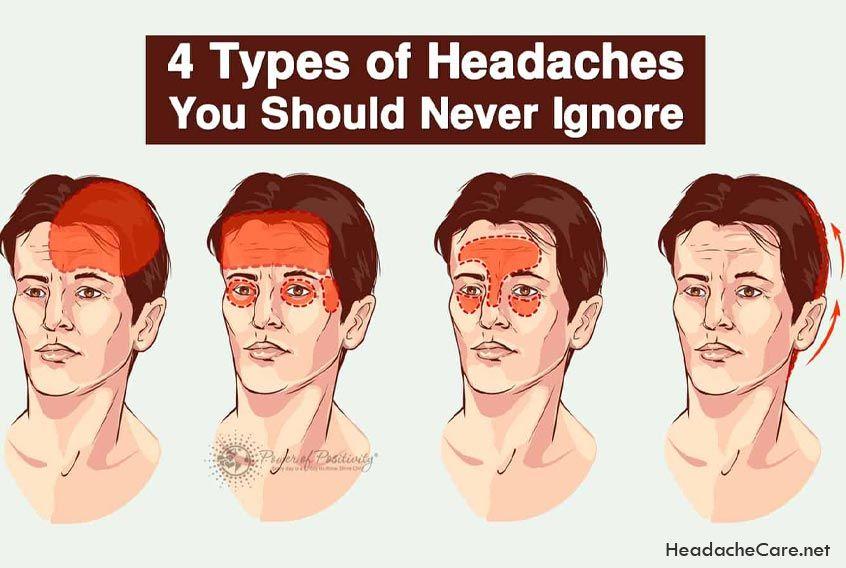
There are many kinds of headaches – including ordinary tension-type, cluster and migraine headaches – and it can be easy to slide into damaging self-treatment habits in a desperate effort to stay functional. Headaches are a major source of debilitating pain and lost productivity due to missed work and school.
Migraines are a kind of headache marked by a variety of neurological symptoms that can include intense throbbing on one or both sides of the head, dizziness, nausea, vomiting and extreme sensitivity to light, sound and smell.
Migraines affect more than 30 million Americans, according to the Migraine Research Foundation, and three times as many women (18 percent) as men (6 percent).
One of the treatments is a class of drugs called triptans.
“There still remains a remarkable number of patients who do have migraine headaches for whom triptans haven’t been used, and I’m not sure why,” says Dr. Eric Wall, a family doctor in Seattle. “I see them enough that it’s a bit surprising.”
Consumer Reports points out that sumatriptan, which was originally sold under the brand name Imitrex, is the only drug in this class that’s generic.
Wall says since sumatriptan has been available for several years and is available in generic, it’s more prudent to start with that drug. There is no support that one drug in the triptan class is better than the other.
Yet, not all drugs work for all people, which is why you need to consult with your doctor, he says.
Consumer Reports also points out that the triptans’ safety profile says it is generally suited for men under 40 and women under 50 who have a healthy weight, don’t smoke and don’t have a heart condition.
Wall also points out that the drug is a “first-line trial” for a patient, meaning it only works as the headache is beginning. If it’s already severe, another treatment option is needed.
Experts also say headache relief can come from methods such as physical therapy, biofeedback, yoga or stress-management techniques. And for migraine sufferers in particular, triggers such as certain foods or lack of sleep, need to be avoided.
—
Kristen Gerencher • MarketWatch