How Might Smoking and Migraine Affect Stroke Risk in Women?
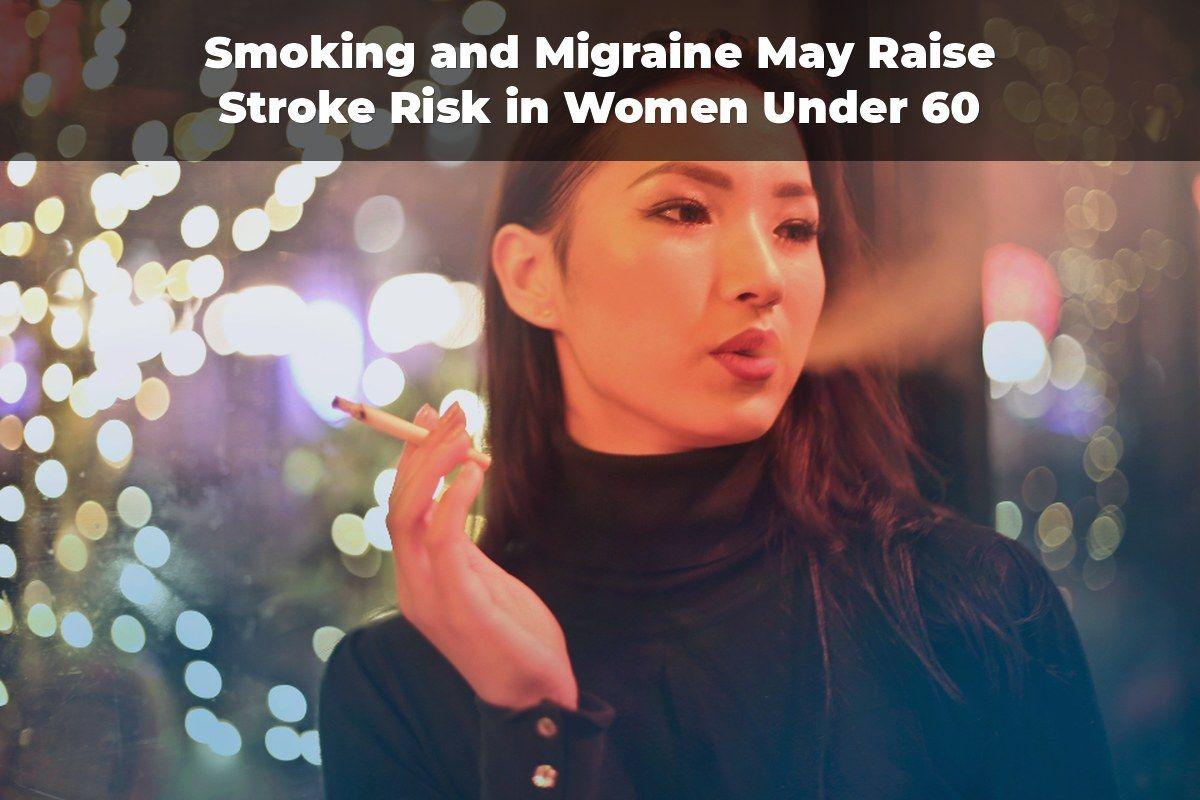
A recent report from BGNES highlights the potential link between smoking, migraines, and an increased risk of stroke in women under 60. While details of the report are not fully available, it raises essential questions about how these factors might interact. Smoking is a well-known risk factor for many health issues, including cardiovascular diseases. Meanwhile, migraines, particularly with aura, have been associated with an increased risk of stroke. When combined, the risks might be compounded, although more research is needed to understand this connection fully.
Migraines and smoking independently contribute to health risks, but their combination could be particularly concerning. Migraines, especially those with aura, have been linked to a higher risk of ischemic stroke. This type of stroke occurs when blood flow to the brain is blocked. Smoking can exacerbate this risk by damaging blood vessels and increasing the likelihood of blood clots. Women under 60 who experience migraines and smoke may face a heightened risk, though individual risk can vary.
Understanding these risks is crucial for women who suffer from migraines and smoke. While research is ongoing, early findings suggest that lifestyle changes could be beneficial. Quitting smoking is a critical step in reducing the risk of stroke and other cardiovascular issues. For women with migraines, managing them effectively with the help of a healthcare provider may also lower stroke risk. Regular check-ups can help in monitoring and managing these risks effectively.
Why Are Women Under 60 at Particular Risk?
The combination of smoking and migraines in women under 60 presents unique challenges. Women in this demographic may experience hormonal changes that influence both migraines and stroke risk. Estrogen fluctuations, for example, can trigger migraines and affect blood clotting mechanisms. This hormonal interplay may partly explain why younger women with migraines are at an increased risk of stroke compared to their male counterparts or older women.
In addition to hormonal factors, lifestyle choices can further exacerbate these risks. Women who smoke may face increased blood pressure and reduced blood vessel function, both of which contribute to stroke risk. Smoking can also increase the likelihood of developing other conditions, such as hypertension and high cholesterol, which are risk factors for stroke. For women under 60, who may be balancing work, family, and other stressors, these factors can compound over time.
The role of birth control is another consideration. Some forms of hormonal birth control, particularly those containing estrogen, can increase stroke risk in women who experience migraines with aura. Women who smoke and use these contraceptives may face even greater risks. It’s important for women to discuss their individual risk factors with a healthcare provider, especially if they have migraines and smoke. Monitoring and possibly adapting lifestyle factors can be an effective strategy for reducing risk.
How Can Women Mitigate Stroke Risk?
Reducing stroke risk involves addressing modifiable lifestyle factors. For women who smoke, quitting smoking is one of the most effective ways to lower risk. Smoking cessation can improve cardiovascular health, reduce blood pressure, and decrease the likelihood of blood clots. Many resources are available to support smoking cessation, from nicotine replacement therapies to counseling services. It’s often beneficial to seek support from healthcare professionals when attempting to quit.
Managing migraines is another critical component of risk reduction. This can involve both preventive and acute treatments. Preventive measures include maintaining a regular sleep schedule, managing stress, and avoiding known migraine triggers, such as certain foods or environmental factors. Prescription medications may also be recommended by healthcare providers to reduce the frequency and severity of migraines. For those who experience migraines with aura, controlling these episodes can be particularly important in reducing stroke risk.
Regular medical check-ups are essential for monitoring other stroke risk factors, such as blood pressure, cholesterol levels, and blood sugar. Women should communicate openly with their healthcare providers about their migraine history and smoking habits. This information can help tailor preventive strategies to individual needs. Lifestyle changes, regular monitoring, and appropriate medical interventions can work together to significantly reduce stroke risk.
What Are the Warning Signs of a Stroke?
Recognizing the warning signs of a stroke is crucial, especially for women with migraines and those who smoke. The acronym FAST can help identify common stroke symptoms: Face drooping, Arm weakness, Speech difficulties, and Time to call emergency services. If you notice any of these signs, even if they appear mild or temporary, seek immediate medical attention. Rapid response can greatly enhance the effectiveness of treatment and improve outcomes.
Beyond the FAST symptoms, other warning signs include sudden severe headache, confusion, difficulty seeing in one or both eyes, dizziness, and loss of balance or coordination. These symptoms can vary in intensity and may sometimes be mistaken for migraine symptoms. However, if they deviate from your usual migraine pattern or occur suddenly and intensely, it’s crucial to treat them as a potential emergency.
Seeing a doctor is important if you experience any unusual or severe headache symptoms, such as the “worst headache of your life,” headache with fever and stiff neck, or a headache following a head injury. These could indicate a serious underlying condition that requires immediate medical attention. For women with migraines, it is essential to be aware of these warning signs and to seek urgent care when needed.
How Do Migraines Differ from Stroke Symptoms?
It can sometimes be challenging to distinguish between migraines and stroke symptoms, particularly because both can involve headaches, vision changes, and other neurological symptoms. Migraines with aura can cause visual disturbances such as flashing lights, blind spots, or zigzag patterns. These symptoms typically develop gradually over several minutes and last less than an hour. In contrast, stroke symptoms often appear suddenly and can include more profound neurological deficits, such as weakness or numbness on one side of the body.
Another key difference is the duration and progression of symptoms. Migraine aura symptoms usually resolve within an hour and are followed by the headache phase. Stroke symptoms, however, may continue to worsen without appropriate medical intervention. While migraines can be debilitating, they are not life-threatening. Strokes, on the other hand, require immediate medical attention and can have long-term consequences if not treated promptly.
Understanding these differences can help women who experience migraines recognize when symptoms might indicate something more serious. Keeping a detailed headache diary can be beneficial in identifying patterns and distinguishing between typical migraine symptoms and potential stroke signs. This information can also be valuable for healthcare providers in managing your migraine condition and assessing any changes that may warrant further investigation.
When Should Women with Migraines See a Doctor?
Women with migraines should maintain regular communication with their healthcare providers, especially if they smoke or have other risk factors for stroke. It’s important to see a doctor if you notice any changes in your migraine pattern, such as increased frequency, severity, or new symptoms that were not present before. Keeping track of these changes can help your doctor assess your condition more accurately and adjust your treatment plan as needed.
If you experience any symptoms that resemble those of a stroke, seek medical attention immediately. This includes sudden onset of severe headache, confusion, vision changes, or difficulty speaking. Even if these symptoms resolve, they could indicate a transient ischemic attack (TIA) or “mini-stroke,” which is a warning sign for a possible future stroke. Early medical intervention can help prevent more serious outcomes.
Regular check-ups are also important for monitoring other health conditions that can influence stroke risk, such as high blood pressure, high cholesterol, and diabetes. Your healthcare provider can offer guidance on managing these conditions and reducing your overall risk. For women with migraines, especially those who smoke, working closely with a healthcare team is crucial for maintaining health and preventing complications like stroke.
Source: Migraine and smoking may increase stroke risk in women (BGNES)
This article is for general information only and is not medical advice. Always talk with your doctor about your symptoms and treatment. If you have a sudden, severe, or unusual headache, call 911 or go to the nearest emergency room.