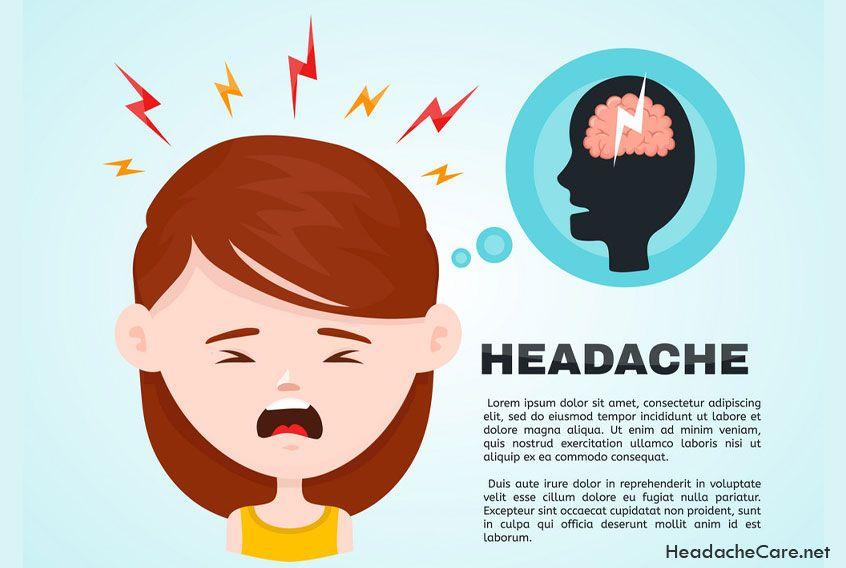
Headaches are one of the most common complaints for which patients seek chiropractic care. Chiropractic is especially helpful in the treatment of headaches because the three nerves that exit the top of the spine (upper neck) are often the cause of or directly related to headaches. These three nerves travel into the head and have to pass through a very thick group of muscles in the upper part of the neck near where these muscles attach to the base of the skull. This is why when you have headaches and rub the back of the neck, the muscles may feel tight and or tender. In fact, if enough pressure is applied over one of these three nerves, pain will radiate into the head following the course of the nerve, sometimes all the way into the eyes. When chiropractic treatment is applied in the upper neck region, a reduction of the headache and neck pain occurs because the muscle tension is decreased and joint motion is restored.
The International Headache Society (IHS) has classified headaches into two main categories, primary and secondary. Primary headaches occur for no known reason and there are four groups of these: 1) migraine, 2) tension-type, 3) cluster, and 4) “other” primary headaches. Secondary headaches are those with a specific cause such as sinus/allergy headaches, those associated with eye strain, a known medical condition or those due to cold or flu. Both migraine and cluster headaches are “vascular” (related to the blood vessels expanding inside the head) resulting in a unique set of symptoms that includes nausea, vomiting, pounding/throbbing and can be quite debilitating.
The most common type is the tension-type of headache. A thorough history is necessary because there is no specific diagnostic test (lab or blood test) for tension-type headaches. Hence, the concept is to make sure the headache is not related to some other condition that is diagnosable by a blood or lab test and if present, having that condition properly managed. So, assuming all the tests come back “normal” and all other causes have been eliminated or “ruled out,” the most common type of tension-type headache is “episodic” or, occurs off and on, lasting minutes to days. The pain is usually described as, “…my whole head hurts.” There is typically tightness or tension (NOT throbbing) described in the neck muscles and the intensity ranges from mild to moderate, not usually severe, where laying down is needed. Physical activity does not usually make it worse and there is no sickness to the stomach (nausea/vomiting), and no intense reaction to bright lights or noise (like there is with migraine & cluster types of headaches). There are sub-types of tension headaches that can occur simultaneous with migraines headaches, but the classic “aura” (a before the headache warning associated with migraine headaches) is usually not present.
Chiropractic treatment typically includes manipulation and mobilization of the neck, muscle release techniques, physical therapy modalities like electric stimulation, ultrasound, and others, exercise, stress and diet/nutritional management.
—
newmangled.com