Merle Diamond had her first migraine at 15.
“I was scared to death,” the Chicago physician says 40 years later. “There was a severe pressure, like my head would explode. I thought I had a tumor. I vomited for a day and couldn’t move out of bed.”
Co-director of the Diamond Headache Clinic in Chicago, Diamond understands migraines better than most. Her husband and four children suffer with migraines. Her grandparents did, too.
In the past two decades, the disorder, which afflicts about 30 million people in the USA, has gone from being minimized, even by physicians, to being recognized as a chronic condition that can cause lost work and school days. Newer drug treatments and a better understanding of the living and environmental factors that influence migraines have given people better tools to help reduce episodes and treat the pain.
“It’s a chronic disorder, but like diabetes and hypertension, it’s modifiable. With good therapy, you can control it effectively so it doesn’t control your life,” Diamond says.
About 18% of women and 6% of men report migraines, especially young and middle-aged adults, but children get them, too, Diamond says.
Changing explanations
Scientists used to peg migraines as a vascular problem because of the inflammation that occurs in the cranial blood vessels, says J.D. Bartleson, associate professor of neurology in the Mayo Clinic’s headache division. But now some believe migraines are rooted in abnormalities in the nerves in the brain stem or in the cerebral cortex.
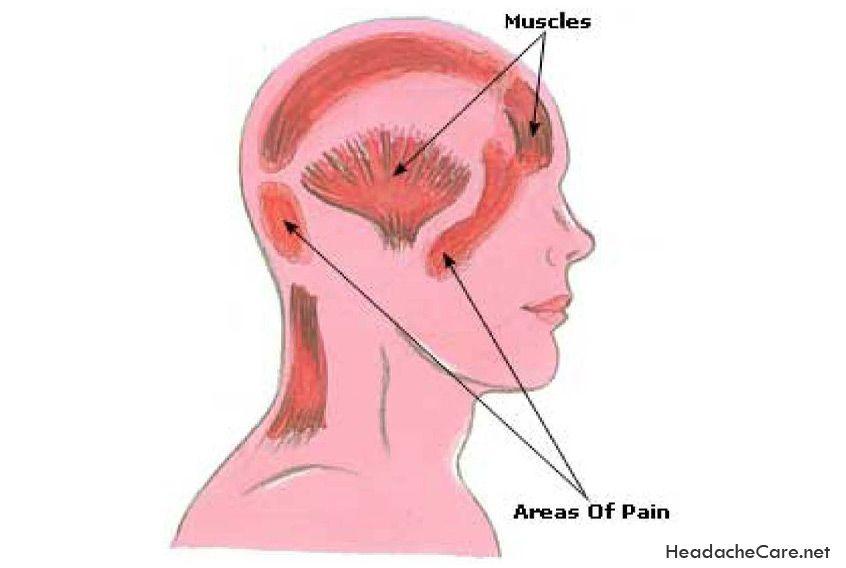
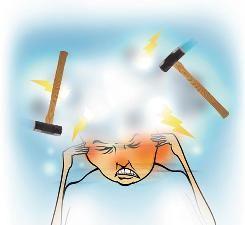
Migraine pain can occur around the eye or temples and sometimes the face, sinus, jaw and neck. Sensitivity to light and smell, dizziness, nausea, vomiting and a throbbing pressure on one side of the head are also trademarks, Bartleson says. Pain can last four to 72 hours and can recur a few times a year or many times a month.
About 20% of patients have what is known as an aura, which precedes the painful headache phase of a migraine, Bartleson says. “Some people see sparkles of light or geometric patterns that flicker and evolve and change like a kaleidoscope. They can also have a loss of vision or a blind spot,” he says.
It can be tricky deciphering whether a patient is having migraine aura or stroke symptoms at times, says Michael Fitch, an emergency physician at Wake Forest University Baptist Medical Center. “Some can have numbness and tingling in the face and hands. Even speech can be affected.”
Migraine therapy isn’t one-size-fits-all, says Richard Lipton, director of the Montefiore Headache Center in the Bronx.
Treatments for migraine range from over-the-counter anti-inflammatories, such as ibuprofen, to daily preventive prescription medications “for people who lose at least 10% of their life to migraine,” Lipton says.
Before the 1990s, there weren’t effective prescription drugs, but more recently, many patients have found relief from triptans, a class of drugs that interfere with the neurochemical process of a migraine and stop the pain, Lipton says.
Other drugs aim to stop a migraine before it starts and include high blood pressure drugs that act on blood vessels and certain seizure drugs that stabilize nerve cell membranes, but all have side effects, Diamond says. Antidepressants and Botox also may help, she says.
Bartleson says some patients hold off on medicines until pain is severe, but by then it’s too late. “You’re much better off jumping on it as soon as possible,” he says.
Headache experts agree that modifying stress through exercise, relaxation and avoiding certain triggers can help. But not all agree that transcranial magnetic stimulation, a non-invasive electronic device held to the head that emits a magnetic pulse aimed at interrupting aura-related neuron activity, helps. Lipton prescribes it; Bartleson does not.
Food, stress, weather as ‘triggers’
Bartleson says up to one-third of migraine patients have true triggers, such as cheese, wine, stress and poor sleep.
Keeping a diary can help patients learn what sets off pain. “I often see patients who were totally wrong about their triggers,” Lipton says.
Weather may play a role. A Neurology study in May reported higher temperatures and low barometric pressure led to an increase in migraine-related ER visits.
Recent research indicates migraines may be linked to heart problems. June’s Neurology reported that women who have migraines with aura at least once a week are more than four times as likely to have a stroke as women who don’t have migraines.
Other research examines hormonal influences on migraines. According to a study in this month’s Cancer Epidemiology, Biomarkers & Prevention, women who have migraines have a 26% reduced risk of breast cancer. Both breast cancer and migraines are affected by estrogen levels.
Diamond says people should not believe they have to scale back their goals because of migraines: “If people tell you to do that, run the other way and find a doctor who will help you find the answers.”
—
By Mary Brophy Marcus, USA TODAY