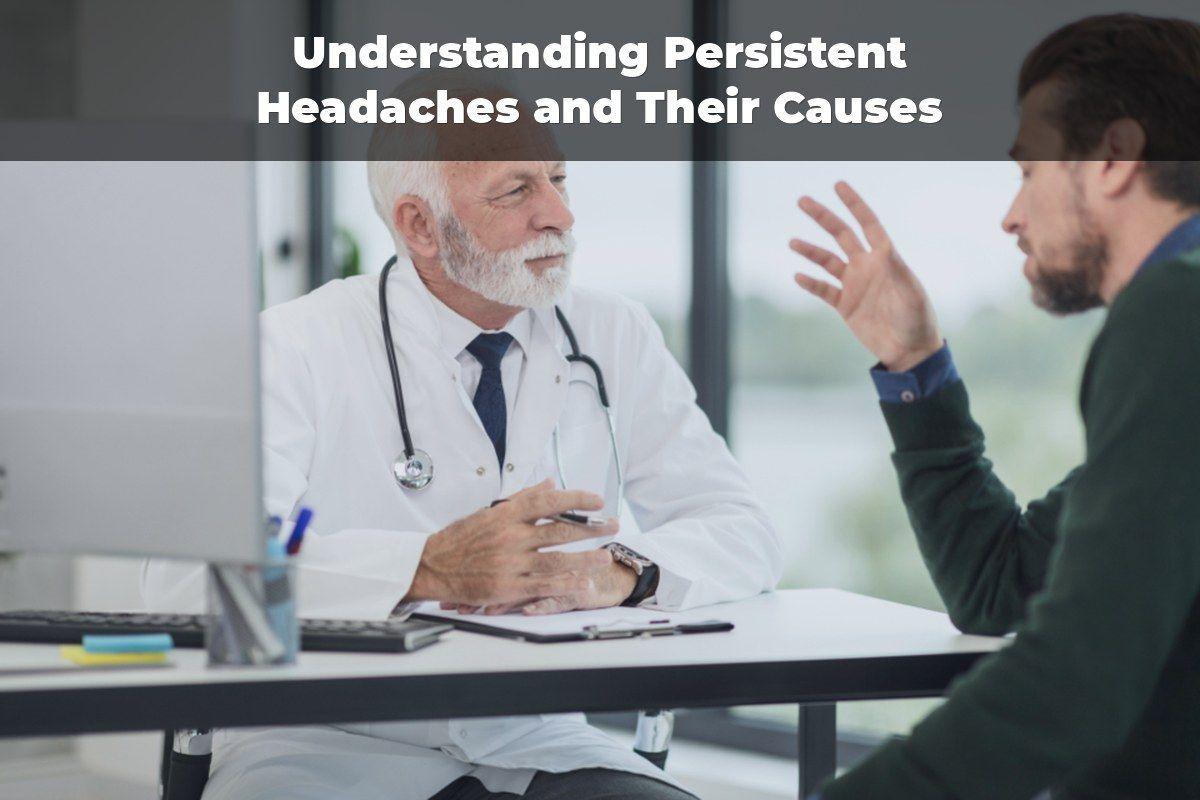
When a headache comes on, most of us head to the medicine cabinet or drug store for an over the counter painkiller. But doctors say there’s a hidden danger associated with some of the most common medications.
Tanya Dirks began suffering from crippling migraine headaches in her early 20s.
“You can’t go to work. You can’t communicate with anyone; You just have to hibernate until it’s over,” she described.
By her mid-20s, Dirks was up to 15 migraines a month.
“I was popping over the counter medicine aspirin, Tylenol, Excedrin far more than I needed to,” she said. “The bottle says take two every four to six hours; I’d wait two hours and think ‘I’ve got to do it again.'”
But instead of feeling better, Tanya’s headaches just got worse. It turns out she was suffering from “medication overuse” – also called “rebound headaches” – caused by overdoing it with over-the-counter painkillers.
It’s estimated that one in four adults exceed the recommended dosage on non-prescription pain medications. Scientists believe the overuse of headache medication alters the way certain pain pathways and receptors work in the brain.
So what can you do to avoid the problem? Try to isolate what’s causing the headaches, and see a doctor if they don’t get better.
Tanya now avoids caffeine and alcohol; both can trigger migraines. She also takes a prescription pain-killer rather than several over-the-counter drugs.
—
MIAMI (CBS4)