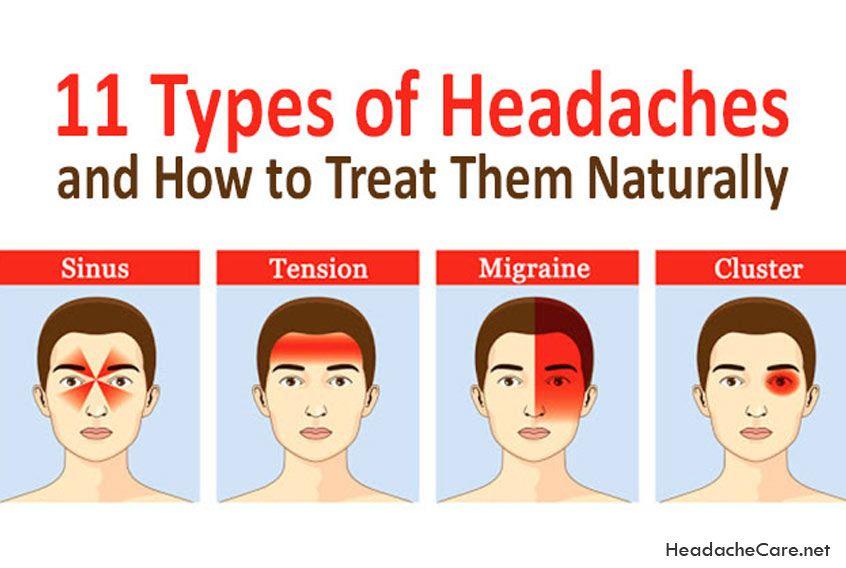
A study of mothers and their young babies by neurologists at the University of California, San Francisco (UCSF) has shown that mothers who suffer migraine headaches are more than twice as likely to have babies with colic than mothers without a history of migraines.
The work raises the question of whether colic may be an early symptom of migraine and therefore whether reducing stimulation may help just as reducing light and noise can alleviate migraine pain. That is significant because excessive crying is one of the most common triggers for shaken baby syndrome, which can cause death, brain damage and severe disability.
“If we can understand what is making the babies cry, we may be able to protect them from this very dangerous outcome,” said Amy Gelfand, MD, a child neurologist with the Headache Center at UCSF who will present the findings at the American Academy of Neurology’s 64th Annual Meeting, which takes place in New Orleans in April.
Colic, or excessive crying in an otherwise healthy infant, has long been associated with gastrointestinal problemspresumably caused by something the baby ate. However, despite more than 50 years of research, no definitive link has been proven between infant colic and gastrointestinal problems. Babies who are fed solely breast milk are as likely to have colic as those fed formula, and giving colicky babies medication for gas does not help.
“We’ve known about colic for a really long time,” Gelfand said, “but despite this fact, no one really knows why these babies are crying.”
How the Study was Conducted
In the UCSF study, Gelfand and her colleagues surveyed 154 new mothers bringing their infants to the pediatrician for routine check ups at two months, the age when colicky crying typically peaks. The mothers were surveyed about their babies’ crying patterns and their own history of migraine, and those responses were analyzed to make sure the reported crying did indeed fit the clinical definition of colic.
Mothers who suffered migraines were found to be two-and-a-half times more likely to have colicky babies. Overall, 29 percent of infants whose mothers had migraines had colic compared to 11 percent of babies whose mothers did not have migraines.
Gelfand and her colleagues believe colic may be an early manifestation of a set of conditions known as childhood periodic syndromes, believed to be precursors to migraine headaches later in life.
Babies with colic may be more sensitive to stimuli in their environment just as are migraine sufferers. They may have more difficulty coping with the onslaught of new stimuli after birth as they are thrust from the dark, warm, muffled life inside the womb into a world that is bright, cold, noisy and filled with touchy hands and bouncy knees.
The UCSF team next plans to study a group of colicky babies over the course of their childhood to see if they develop other childhood periodic syndromes, such as abdominal migraine.
The presentation “Infant Colic is Associated with Maternal Migraine” by Amy Gelfand, Katherine Thomas, and Peter Goadsby will be at 5 p.m., Wednesday, April 25 in New Orleans.
###
Jason Socrates Bardi
415-502-6397
University of California – San Francisco